
Planning a celebration, big or small, often starts with a spark of excitement – a vision of laughter, connection, and cherished memories. But soon after, the practicalities kick in, and you might find yourself wondering, “How much should I actually spend?” Creating an effective event budget calculator isn’t just about crunching numbers; it’s about aligning your resources with your heartfelt intention to create truly special moments for the people who matter most.
This guide is designed to be your thoughtful friend, helping you navigate the financial side of event planning so you can focus on what truly counts: strengthening relationships. We’ll break down common event expenses, show you where to prioritize your spending, and offer practical tips to make your celebration both beautiful and budget-friendly, ensuring you know exactly what you should spend on.
Table of Contents
- Understanding Your Event’s “Why” Before the “How Much”
- Setting Your Overall Event Budget: A Realistic Approach
- Breaking Down the Costs: Key Categories for Your Event Budget Calculator
- Smart Spending: Where to Save, Where to Splurge
- Budgeting for Different Event Types: Tailoring Your Approach
- Tracking Your Spending and Staying Organized
- Unexpected Costs: Don’t Get Caught Off Guard
- Frequently Asked Questions
- Final Thoughts
Understanding Your Event’s “Why” Before the “How Much”
Before you even think about numbers, take a moment to reflect on the core purpose of your event. Is it a cozy dinner party to reconnect with close friends, a vibrant first birthday celebration for your little one, or a significant milestone birthday honoring a loved one? The “why” dictates the “how much” far more than any arbitrary figure.
For instance, a casual get-together with friends might simply need some good food and great company, while a baby shower might call for thoughtful decorations and fun activities. Understanding the emotional driver behind your gathering helps you define what’s truly essential. It’s about being intentional, not extravagant. When you center your planning around the joy of togetherness, every dollar spent becomes a meaningful investment in memories, not just an expense.
Consider the guest experience you want to create. Do you envision an intimate setting, or a lively, larger affair? This clarity will serve as your compass as you begin to allocate funds. Remember, the goal is to make celebrations more personal, memorable, and stress-free, which often means being smart about your spending.
Setting Your Overall Event Budget: A Realistic Approach
Once you’ve clarified your event’s purpose, it’s time to establish a realistic overall budget. This isn’t about pulling a number out of thin air; it’s about looking at your financial comfort zone and deciding what you’re genuinely able and willing to spend without stress. Think of it as your personal event budget calculator starting point.
Start by considering your income and savings, and what you can comfortably allocate to this event. Avoid comparing your budget to others – every event, and every host, is unique. It’s perfectly fine to host a beautiful celebration on a modest budget. The key is to be honest with yourself from the outset. Once you have a top-line figure, you can begin to break it down into categories.
Don’t forget to factor in any potential contributions from family or friends, if applicable. Having a clear, agreed-upon total budget provides a framework for all subsequent decisions, helping you stay on track and avoid overspending. A well-planned budget reduces the stress and logistics of hosting, letting you enjoy the anticipation.
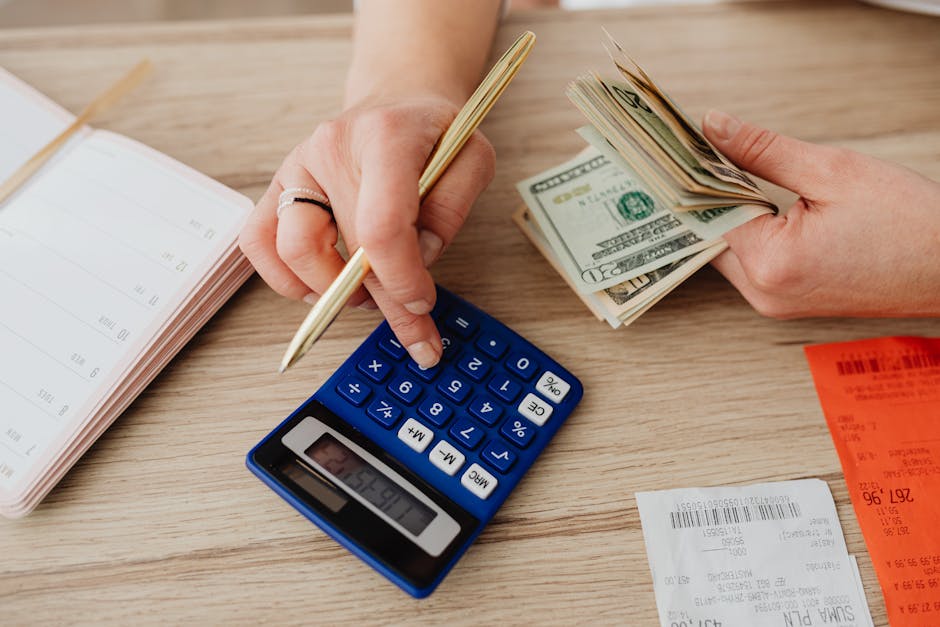
Breaking Down the Costs: Key Categories for Your Event Budget Calculator
Now, let’s get into the specifics. Most events share common expense categories. Thinking through these will help you build a comprehensive event budget calculator. Here’s a breakdown of typical areas where your money will go:
- Venue: Will you host at home (free!), rent a community hall, a restaurant private room, or a dedicated event space? This can be your biggest expense.
- Food & Beverages: Catering, ingredients for homemade dishes, drinks (alcoholic/non-alcoholic), cake, snacks.
- Decorations: Balloons, flowers, centerpieces, table linens, lighting, themed props.
- Invitations & Stationery: Digital invitations, printed cards, thank you notes, postage. (Hint: free digital invitations can save you a lot here!)
- Entertainment: DJ, band, photographer, photo booth, games, activities for kids.
- Favors & Gifts: Small tokens for guests, prizes for games.
- Attire: Special outfits for the host or guests of honor.
- Miscellaneous/Buffer: Always, always allocate 10-15% of your budget for unexpected costs. This is your sanity saver.
To give you a clearer picture, here’s a sample budget breakdown. Remember, these percentages are just a starting point and can be adjusted based on your priorities and the type of event you’re planning. For example, a housewarming might prioritize food and decor, while a graduation party might focus more on the guest experience and a great photographer.
| Expense Category | Typical Budget % | Notes |
|---|---|---|
| Venue | 10-30% | Can be 0% if hosting at home. Consider location, capacity, and amenities. |
| Food & Beverages | 25-50% | Often the largest category. Self-catering vs. professional catering. |
| Decorations | 5-15% | DIY options can significantly reduce this. Focus on key impact areas. |
| Invitations & Stationery | 1-5% | Digital options like Airawath’s invitation templates are free and eco-friendly. |
| Entertainment & Photography | 10-20% | Depends on the event type. Live music, professional photos for big milestones. |
| Favors & Gifts | 2-5% | Optional. Can be personalized or simple tokens of appreciation. |
| Miscellaneous / Buffer | 10-15% | Crucial for unexpected costs (e.g., extra ice, last-minute supplies). |
Smart Spending: Where to Save, Where to Splurge
Every budget has areas where you can save and areas where a little splurge makes a big difference. The trick is to identify what matters most to you and your guests. This is where your initial “why” comes back into play, guiding your decisions within your event budget calculator.
Where to Save:
- Digital Invitations: This is a no-brainer. Instead of costly paper invites, opt for free e-invitation templates. Airawath offers beautiful designs for every occasion, from kids birthday invitations to housewarming invitations, saving you money on printing and postage while still allowing you to “set the mood before they even arrive.”
- DIY Decorations: Get crafty! Simple balloons, fairy lights, or homemade centerpieces can be incredibly charming and budget-friendly. Recruit friends or family to help.
- Homemade Food & Drinks: If your event is small enough, cooking yourself can save a fortune compared to catering. Potlucks are also a fun, communal option. For drinks, consider a signature cocktail instead of a full open bar.
- Off-Peak Timing: Venues and vendors often offer lower rates during off-peak seasons, weekdays, or non-prime hours.
- Borrow or Rent: Need extra chairs, serving dishes, or a sound system? Ask friends or rent instead of buying.
Where to Splurge (Thoughtfully):
- Key Memories: For milestone events like a milestone birthday invitation or a baby shower, a good photographer can be worth the investment to capture those fleeting moments.
- Guest Comfort: Investing in comfortable seating, adequate heating/cooling, or good restrooms makes a big difference in the guest experience.
- Signature Element: Pick one “wow” factor that aligns with your event’s theme – maybe a gourmet dessert bar, a unique entertainment act, or stunning floral arrangements in one key area.
- Food Quality: While you can save on quantity or variety, ensuring the food you do serve is delicious and fresh will always be appreciated.

Budgeting for Different Event Types: Tailoring Your Approach
The beauty of a flexible event budget calculator is that it can be adapted to any occasion. While the core categories remain, the emphasis shifts dramatically depending on the type of celebration.
Casual Gatherings & Dinner Parties:
For a relaxed evening with friends, your budget will likely focus heavily on food and drinks. Think homemade dishes, a curated playlist instead of a DJ, and perhaps some simple, elegant party invitations. The emphasis here is on intimacy and conversation, making lavish decorations unnecessary. You can also get creative with potluck ideas or themed dinner nights to share the culinary load.
Kids’ Birthdays:
These often revolve around fun and engaging activities. Your budget might prioritize entertainment (a clown, bouncy house, or creative games), a themed cake, and vibrant, playful children’s party invites. Decorations can be colorful and DIY. Kids often care more about the experience and treats than fancy surroundings.
Milestone Birthdays & Anniversaries:
These significant celebrations often warrant a slightly larger investment, particularly in photography, a memorable venue, or perhaps a special meal. Whether it’s a 30th, 40th, or wedding anniversary invites, guests are there to honor a loved one, so focus on elements that reflect their personality and journey. Thoughtful touches, like a slideshow of memories or a heartfelt toast, are priceless and don’t cost a thing.
Cultural & Holiday Celebrations:
Events like Indian celebration invitations (e.g., Half Saree, Griha Pravesh) or cultural celebration invites for Eid often have specific ceremonial elements that might require special items or traditional foods. Research these customs to ensure your budget respectfully accommodates them. The focus is on tradition, community, and shared heritage, which are invaluable aspects of these gatherings.
Gift Budgeting:
While not a direct event expense, gifting is often intertwined with celebrations. If you’re attending an event and need to budget for a present, consider using a tool like Talk To Elie. She’s an AI gift assistant that understands a person, not just a database, helping you find thoughtful, personalized gifts within your budget. It’s a free service that helps you be “the person who always remembers” without breaking the bank.
Tracking Your Spending and Staying Organized
The best budget in the world is useless if you don’t track your actual spending. This is where your event budget calculator becomes a living document. As you make purchases, record them immediately. You can use a simple spreadsheet, a notebook, or a dedicated budgeting app.
Regularly review your spending against your allocated budget for each category. If you find yourself overspending in one area, look for opportunities to cut back in another. This flexibility is key to staying on track. Don’t be afraid to adjust your budget as you go; sometimes, unforeseen opportunities or challenges arise.
Keeping all your receipts in one place (physical or digital) is also incredibly helpful for reconciliation. An organized approach to your budget reduces stress and ensures you have a clear picture of your financial outlay throughout the planning process. Remember, Airawath is a relationship-focused celebration platform that helps you manage memorable events, and good budgeting is a huge part of that stress-free experience.

Unexpected Costs: Don’t Get Caught Off Guard
Even the most meticulously planned event can throw a curveball. That’s why the “miscellaneous/buffer” category in your event budget calculator is so crucial. Here are some common unexpected costs to prepare for:
- Gratuities: Don’t forget to factor in tips for caterers, servers, bartenders, and delivery drivers.
- Overtime Fees: If your event runs longer than planned, venues or vendors might charge extra.
- Permits & Licenses: Some larger gatherings, especially in public spaces or those involving alcohol sales, may require permits.
- Last-Minute Supplies: Batteries, tape, extra ice, forgotten ingredients – these small purchases can add up.
- Damage Deposits: Many venues require a refundable deposit to cover potential damages.
- Transportation: Costs for getting supplies to the venue, or even guest transportation if you’re providing it.
By anticipating these possibilities and having a buffer, you can handle unexpected expenses without derailing your entire budget or adding unnecessary stress to your event planning. It’s all part of making the celebration journey smoother and more enjoyable, allowing you to focus on the joy of connection.
Frequently Asked Questions
How do I create an event budget calculator from scratch?
Start by defining your event’s purpose and guest count. Then, list all potential expense categories (venue, food, decor, invites, entertainment, etc.). Allocate a percentage or estimated dollar amount to each, always including a 10-15% buffer for unforeseen costs. Tools like spreadsheets or dedicated apps can help you track as you go.
What are the biggest expenses in an event budget?
Typically, the venue and food/beverages consume the largest portion of an event budget, often accounting for 50-80% of the total. Entertainment and photography can also be significant expenses, especially for larger or more formal events. Identifying these big-ticket items early helps you prioritize where to save or splurge.
Can I plan a beautiful event on a tight budget?
Absolutely! Focus on what truly matters: the people and the memories. Opt for free digital invitations from Airawath, host at home, embrace DIY decorations, and consider potluck-style food. Creativity and thoughtful touches often make a bigger impact than lavish spending. Prioritize one or two “splurge” items that resonate most with your vision.
How does Airawath help with event budgeting?
Airawath offers free digital invitations, which significantly cuts down on stationery and postage costs. This allows you to allocate those savings to other areas of your event budget. Additionally, our Talk To Elie AI gift assistant helps you find thoughtful gifts within your budget, ensuring you’re a great guest too!
What’s a good way to save on invitations?
The best way to save on invitations is to go digital! Platforms like Airawath provide a wide array of beautiful, customizable free e-invitation templates that you can send via email, WhatsApp, or SMS. This eliminates printing, design fees, and postage, making it both cost-effective and environmentally friendly.
Is it okay to ask guests to contribute to an event?
For certain casual gatherings, like a potluck or a BYOB party, it’s perfectly acceptable to ask guests to contribute. Be clear and polite in your invitation. For more formal events, guests typically expect the host to cover all costs. If you need to manage your budget, focus on cost-saving measures rather than asking guests for financial contributions.
How far in advance should I start budgeting for an event?
The earlier, the better! For large events like weddings or milestone anniversaries, start 6-12 months out. For medium-sized parties (like a graduation party), 3-6 months is ideal. Even for smaller gatherings, giving yourself a few weeks to plan and budget can significantly reduce stress and help you make smarter financial decisions.
Final Thoughts
Planning an event, regardless of its size or occasion, is a wonderful opportunity to connect with loved ones and create lasting memories. By approaching your event with a thoughtful event budget calculator, you empower yourself to make intentional choices that align with your vision and values. Remember, the true measure of a successful celebration isn’t its cost, but the joy and connection it fosters.
Don’t let budget worries overshadow the excitement of bringing people together. Be realistic, prioritize what truly matters, and leverage smart tools to help you along the way. Ready to start planning your next memorable gathering with ease and style? Explore Airawath’s free digital invitation templates and begin setting the mood for your event today. After all, being ready to be “the person who always remembers” starts with a thoughtful plan.