Decoding Digital RSVPs: What Guests Really Want to Know

Your phone buzzes on the kitchen counter. It’s a text message from someone you haven’t seen in a while, an old college friend, perhaps. There’s a cheerful graphic featuring balloons and the words “Game Night!” followed by a time, an address, and a small poll asking if you’ll be there. Yes. No. Maybe.
You pause.
The address is across town. Game night, but what kind? Cards? Board games? Something loud and competitive, or something that fades into conversation? Should you eat before coming, or is food implied? How many people are going to be there? Three? Thirty?
You tap “Maybe,” tell yourself you’ll think about it later, and put the phone down. A few days pass. Then another message appears: Hey, are you coming? And suddenly it’s there that familiar, low-grade guilt.
We’ve all been here. On both sides of the screen. The guest was stuck due to a lack of details, and the host was trying to figure out emojis and silences like they’re a secret code. In the digital age, RSVPs aren’t just replies anymore. They’re a fragile dance of assumptions, and no one ever taught us the steps.
Why Digital Invites Feel Casual Even When They Aren’t
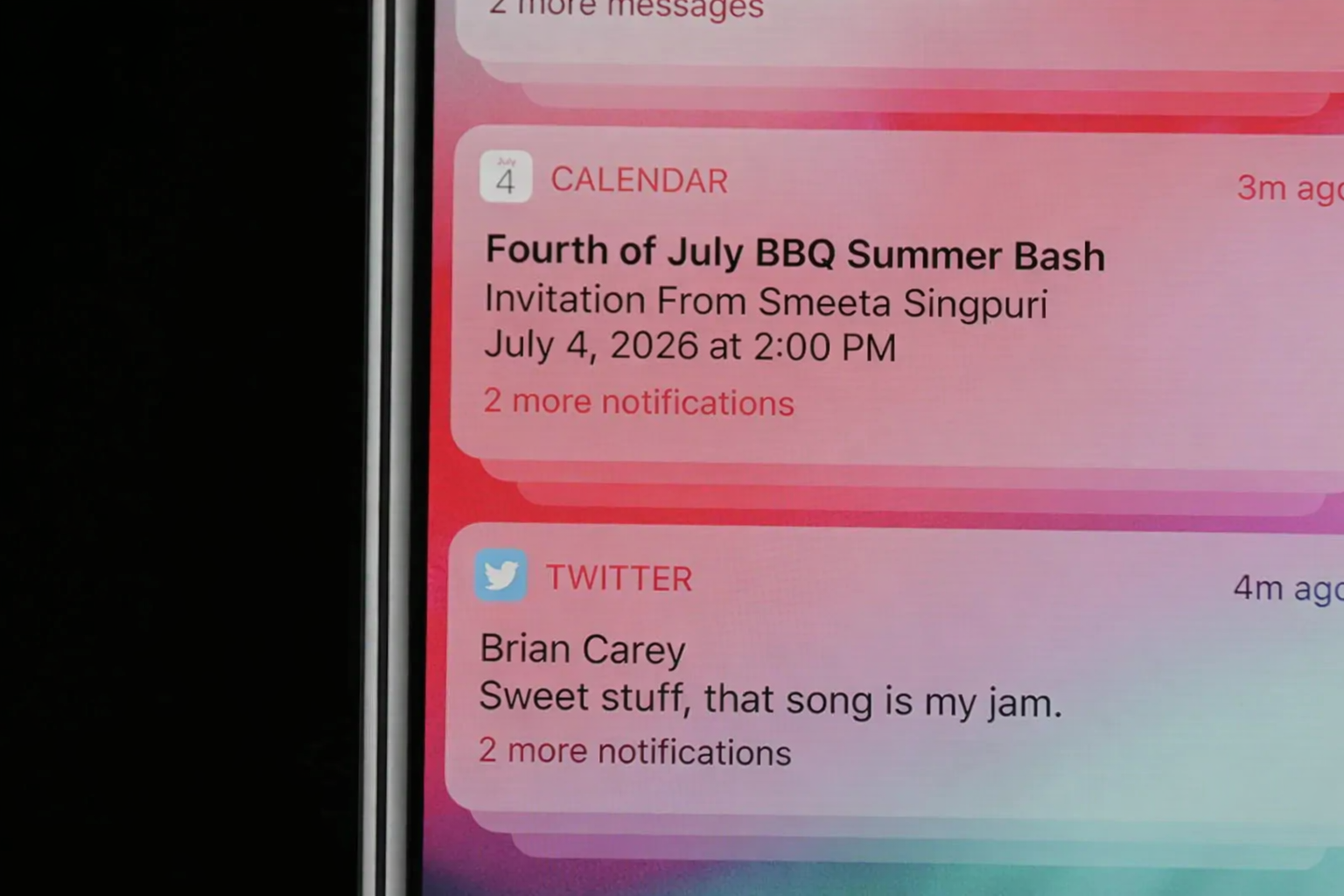
Digital invitations arrive the same way everything else does: sandwiched between work messages, memes, delivery updates, and half-finished conversations. That placement matters. Psychologically, it makes the invite feel lightweight, even when the event itself isn’t.
This doesn’t mean people care less. It means the medium signals informality. A forwarded link or a Canva graphic feels closer to a suggestion than a promise. Guests underestimate the labor behind the invite— the planning, the grocery lists, the playlist curation, the quiet hope that people will actually show up. Hosts, on the other hand, read silence as rejection.
Both sides are responding to the same mismatch.
The Quiet Questions Guests Are Really Asking

When someone hesitates before responding, it’s rarely about their calendar alone. They’re trying to understand the shape of what they’re being invited into.
Is this casual or formal? The same invite can mean jeans and beer when it comes from a close friend, or careful small talk and polished outfits when it comes from a colleague. How long is this supposed to last? Two hours, or the entire evening? Without cues, guests arrive scanning for exit signals, while hosts wonder if early departures mean disappointment.
There’s also the social calculus. Will I know anyone? Is this intimate or a crowd? No one wants to be the only stranger hovering near the snacks. Then come the practical uncertainties: do I need to bring something? Is it okay to arrive late or leave early if life intervenes? And hovering above all of it is the question no one wants to ask outright—is it actually okay to say no?
These aren’t small anxieties. They’re the natural result of uncertainty. Without context, invitations feel like pop quizzes. Clear signals don’t feel bossy; they feel considerate. They quietly say, We’ve thought about what it’s like to be you here.
The RSVP Guilt Cycle

Modern RSVPs come with a familiar emotional pattern. Someone says yes too quickly and cancels with elaborate apologies. Someone else ignores the invite entirely, then sends an overly long explanation days later. Declines turn into novels, packed with justifications that sound defensive even when they’re sincere.
This isn’t bad manners. It’s empathy tangled with exhaustion. Burnout has made social decision-making heavier than it used to be. Every yes requires energy. Now and then, there are risks of disappointing someone. So people delay, hedge, and ghost not out of disregard, but self-protection.
Read receipts and typing indicators only intensify the discomfort, turning hesitation into something that feels publicly visible.
What Actually Makes People Respond
What guests want isn’t stricter etiquette or cleverer designs. It’s clarity paired with warmth.
When an invitation communicates the vibe, the scale, the flexibility, and the intention behind it, people relax. Decision-making becomes easier. Responses come faster. Honesty feels safer.
This is where thoughtful digital invitation tools can genuinely help, not by pressuring people to respond, but by doing the emotional labor upfront. Context built into the invite. Gentle reminders that feel like care, not nagging. Language that makes room for real life instead of demanding performance.
When the design carries the weight, people don’t have to.
When Silence Isn’t Rudeness
It’s tempting to read non-responses as indifference, but more often they’re signals of saturation. Someone is juggling three invites on the same night. Someone is quietly checking their energy reserves. Someone meant to respond, and simply running out of bandwidth.
Reading silence with empathy changes everything. A soft follow-up can replace resentment. Sometimes, letting it be is the most respectful choice.
Why Invitations Still Matter
Invitations aren’t logistics. They’re emotional ties. They say, I want to spend time with you, in a world that rarely slows down enough to make that explicit.
When we learn to decode the fog around digital RSVPs, we don’t just get better attendance. We restore the ritual itself. We make space for honesty, ease, and mutual consideration.
Clarity isn’t control. It’s courtesy. And when invitations are built with that understanding, RSVPs stop feeling like obligations and start feeling like what they were always meant to be: small, human bridges between busy lives.
When invitations carry clarity, warmth, and intention, RSVPs stop feeling like a guessing game. That’s exactly what Nvite by Airawath is built for. By providing guests with the context they’re quietly seeking, including what the gathering is like, its flexibility, and what’s actually expected, Nvite makes responding feel easy and human. Fewer awkward follow-ups. Fewer silent maybes. Just clearer yeses, kinder nos, and gatherings that start on the right note.
Related Blog
You might also like

The “Wellness Tech” Guide: 5 Gadgets for Health Tracking