Employee Appreciation: Beyond the Pizza Party

Most employers genuinely want their people to feel appreciated. That part is rarely the issue. The disconnect usually happens in how appreciation is expressed. Somewhere along the way, recognition became an event instead of a practice, something planned once in a while, budgeted as a line item, and executed quickly so everyone could get back to work. Pizza parties, gift cards, and appreciation emails sent late on a Friday afternoon. None of these is offensive. They’re just…forgettable.
What employees remember isn’t the food or the freebies. They remember moments. A manager who noticed they were struggling. A leader who acknowledged effort even when results weren’t perfect. A workplace that didn’t just reward output, but respected humanity. This is where appreciation either becomes meaningful or quietly fails.
Moving beyond surface-level recognition doesn’t require dramatic overhauls or extravagant spending. It requires attention, intention, and consistency. Most importantly, it requires leaders to understand what appreciation actually feels like from the other side.
When Appreciation Starts Feeling Like a Formality
At some point, appreciation became a routine. Same time every year. Same message. Same reward. And slowly, people stopped taking it seriously, not because they’re ungrateful, but because it stopped feeling real.
When appreciation is predictable and generic, it loses its meaning. Employees start seeing it as something the company does for itself, not for them. A task completed. A box checked. It doesn’t offend anyone—but it doesn’t connect either.
The problem isn’t that these gestures exist. It’s that they’re often disconnected from what people actually experience day to day. Long hours. Emotional pressure. Invisible work. The effort that doesn’t show up in reports.
Over time, this creates quiet disappointment. People stop expecting recognition. They do their work, keep their heads down, and learn not to rely on feeling appreciated. That’s when work becomes just work and motivation slowly fades.
Appreciation that feels automatic teaches people that effort is assumed, not noticed, and when effort goes unnoticed for too long, people stop offering their best.
What Real Appreciation Feels Like on a Normal Day

Real appreciation usually isn’t loud. It doesn’t need an audience. It feels simple but personal.
It feels like someone noticing that you stayed calm during a tough situation. Like a manager remembering what you’ve been juggling outside of work. Like hearing, “I know this wasn’t easy, and I see the effort you put in.”
When appreciation reflects real moments, it lands. People don’t have to guess whether it’s sincere; they know it is. It feels earned, not scripted.
This kind of recognition doesn’t require big conversations. It requires paying attention. Listening. Remembering details. Treating people like individuals instead of roles.
Some people want recognition in front of others. Some don’t. Some want words. Some want space. When leaders understand these differences, appreciation stops feeling awkward and starts feeling natural.
People feel truly seen, and they carry that feeling into their work. They show up differently. They care more. Not because they’re trying to impress but because they feel respected.
Appreciation That Helps People Grow, Not Just Perform
One of the most powerful forms of appreciation is trust.
Trust looks like giving someone room to grow. Letting them try something new. Supporting learning without attaching pressure. It tells people, “We believe in where you’re going, not just what you’ve already done.”
When appreciation is tied only to results, people play it safe. When it’s tied to growth, people evolve.
Growth-focused appreciation shows up in small ways, feedback that helps, not criticizes. Opportunities that stretch without overwhelming. Conversations that ask, “What do you want next?”
This kind of recognition sticks because it affects someone’s future, not just their mood for the day. It builds confidence. It reduces fear, and it creates loyalty that doesn’t come from obligation, but from belief.
People don’t forget workplaces that helped them grow.
Making Appreciation Part of Everyday Leadership
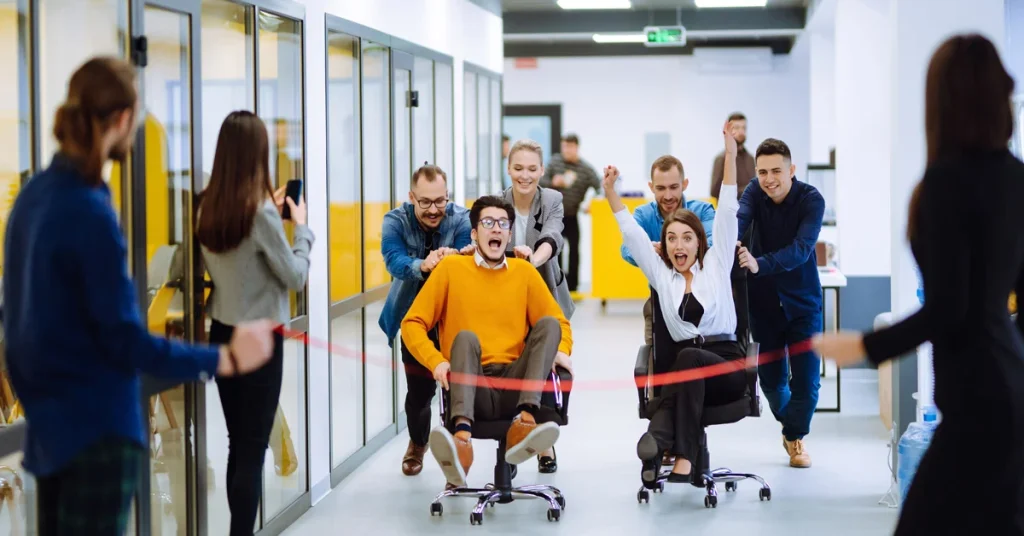
The most meaningful appreciation isn’t planned months. It happens in the middle of normal workdays. In conversations. In flexibility. In follow-through.
It’s checking in when someone seems off. Respecting time. Saying thank you without a reason attached. Acknowledging effort even when outcomes aren’t perfect.
Leaders who do this don’t feel like they’re “doing appreciation.” They’re just being present. And that presence changes how work feels for everyone around them.
When appreciation becomes part of how people are treated and not something they wait for, work becomes lighter. People feel safer. More engaged.
A Closing Thought to Carry With You
Beyond the pizza party isn’t a big idea. It’s a daily one.
It’s about choosing awareness over automation. Care over convenience. And remembering that the smallest moments often shape how people feel the most.
That’s what meaningful recognition really is.
Related Blog
You might also like
Easter 2026: Everything You Need to Plan the Perfect Celebration