The Forgotten Elegance of the Dhoti Ceremony And Why Modern Indian Families Are Bringing It Back
Introduction
For a while, it seemed like the dhoti ceremony was quietly fading — a tradition that belonged to old photographs and sepia-toned memories, something grandparents talked about but modern families quietly skipped in favour of simpler, more convenient alternatives.
Then something shifted.
Across cities like Chennai, Hyderabad, Bengaluru, and even among the Indian diaspora in the United States, Canada, and the UK, the dhoti ceremony is making a remarkable comeback. Young parents are not just reviving the ritual — they are celebrating it with renewed intention, blending centuries-old tradition with contemporary warmth and meaning.
So what is driving this cultural renaissance? And what does it say about who we are becoming as a generation?
Why the Dhoti Ceremony Matters More Than Ever
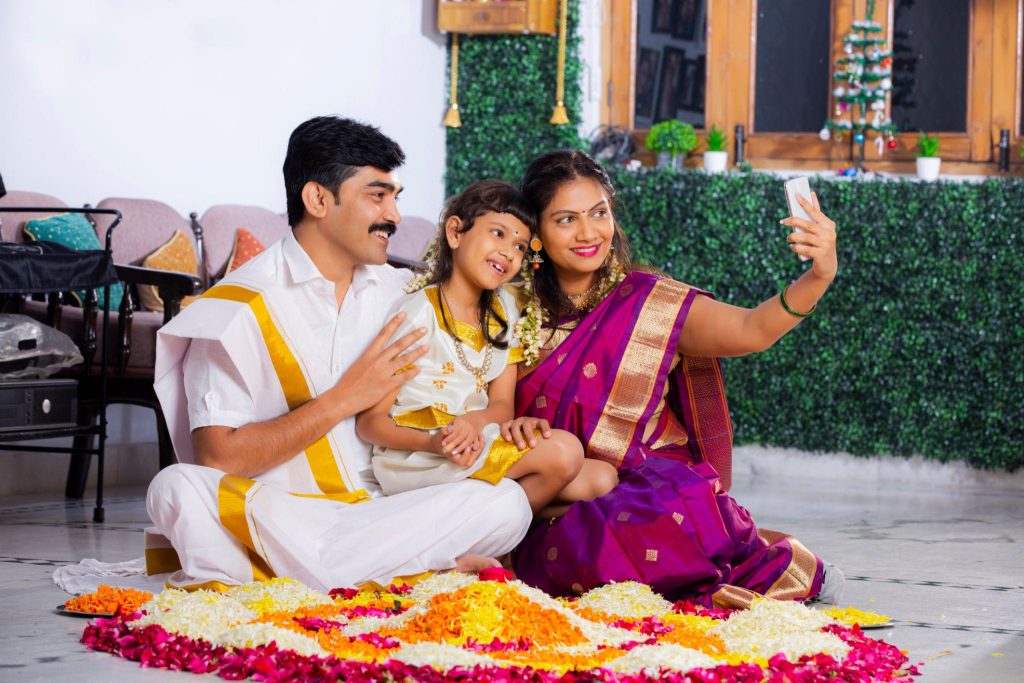
We live in an era of radical disconnection. Our children grow up with smartphones, streaming services, and global identities. Their worlds are vast and borderless — which is a beautiful thing. But it also means that the specific, rooted cultural identity that comes from tradition, ritual, and belonging is harder to pass on.
The dhoti ceremony offers something rare: a pause. A deliberate moment where a family says — this is who we are. This is where we come from. This is what we want you to carry forward.
For many modern Indian parents, this is exactly what feels missing and exactly what they want to reclaim.
The Urban Revival: Real Families, Real Stories
Pradeep and Kavitha Subramaniam, a software engineer couple in Bengaluru, had always identified as ‘not very traditional.’ They celebrated birthdays with themed cakes, Diwali with sparklers and dinner reservations, and had never really discussed ritual ceremonies for their son.
Then Pradeep’s father was diagnosed with a serious illness. And suddenly, the question of legacy became very real.
‘My father kept saying, before anything happens to me, I want to see Aakash in a dhoti. I want to perform the ceremony,’ Pradeep recalls. ‘And I thought — why did we wait? Why did we need this to happen before we said yes?’
Aakash’s dhoti ceremony was held three months later — a beautiful, carefully planned event that brought together over 150 family members, many of whom had not seen each other in years. Pradeep’s father, still recovering, sat in the chair of honour. When Aakash came to touch his feet after the ceremony, the old man simply held his grandson’s face and said nothing. He did not need to.
How Modern Families Are Reinventing the Tradition
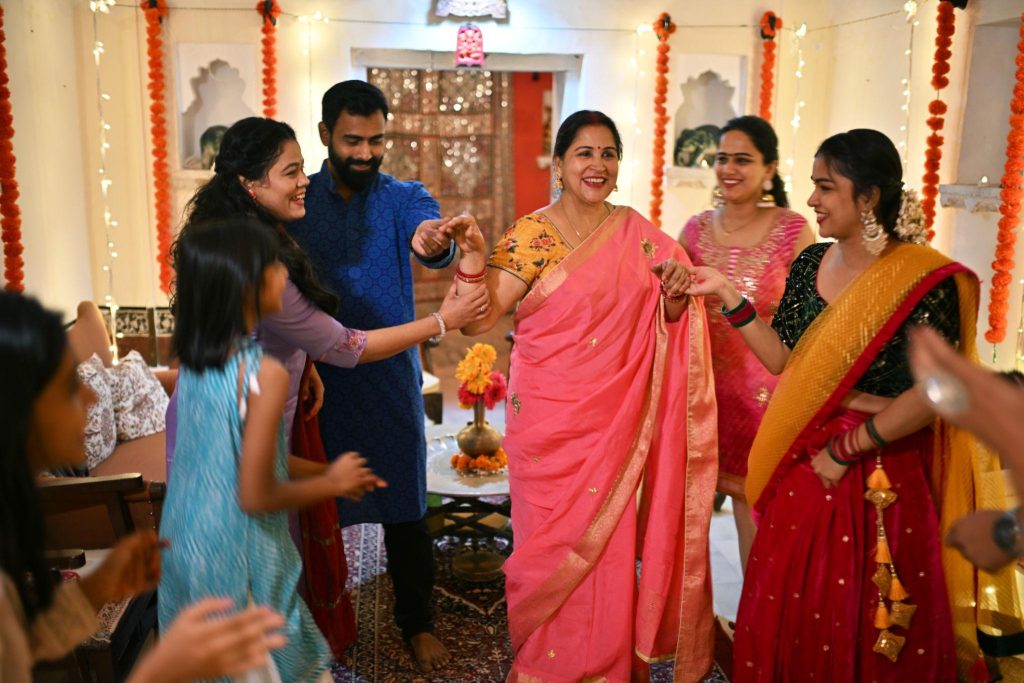
Today’s dhoti ceremonies look different from those of a generation ago — and that is entirely a good thing. Modern families are finding ways to honour the spiritual and cultural core of the ritual while making it accessible, inclusive, and personally meaningful.
Some families incorporate bilingual explanations of each ritual so that younger guests and children who did not grow up speaking the traditional language can understand what is happening. Others include a brief storytelling segment where elders share the history of the ceremony in their family. Some have the ceremony photographed or filmed professionally so it becomes a lasting archive for future generations.
The gifting tradition has also evolved beautifully. Where once gifts were purely traditional — gold, silk, silver vessels — modern gift-givers now include books the boy loves, items related to his interests, or experiences that will shape who he becomes.
Coordinating all of this — the invitations, the RSVP management, the gift suggestions — is made wonderfully simple by airawath.com . Their platform offers traditional ceremony E-Invitations, curated gifting options, and seamless RSVP tools that let you focus on the ceremony itself rather than the logistics around it.
What Gets Passed On
At the heart of every dhoti ceremony is an act of intentional passing — of values, of identity, of belonging. When a grandfather ties a dhoti on his grandson, he is not just dressing a boy. He is saying: you are connected to something larger than yourself. You have a past that loves you and a future that needs you.
In a world that moves very fast and forgets very easily, this is a radical act.
The families who are bringing back the dhoti ceremony are not doing it out of obligation. They are doing it because they understand, perhaps more clearly than any previous generation, what it costs to let go of the things that make us who we are.
They are choosing to remember. And in doing so, they are giving their sons something no technology, no education, no career can provide: a sense of rootedness. A sense of home.
Start Your Own Revival — with AIRAWATH.COM
✨ Plan Your Dhoti Ceremony with AIRAWATH.COM
Make every moment unforgettable. Head to airawath.com to create stunning digital E-Invitations, explore curated gift suggestions for your loved ones, and manage your RSVP list effortlessly — all in one place.
Whether your family is reviving the tradition after a gap of years or celebrating it for the first time in a new way — this ceremony belongs to you. Make it yours. Make it meaningful. And make it a story worth telling.
Related Blog
You might also like

How to Send Free Online Invitations with RSVP Tracking